
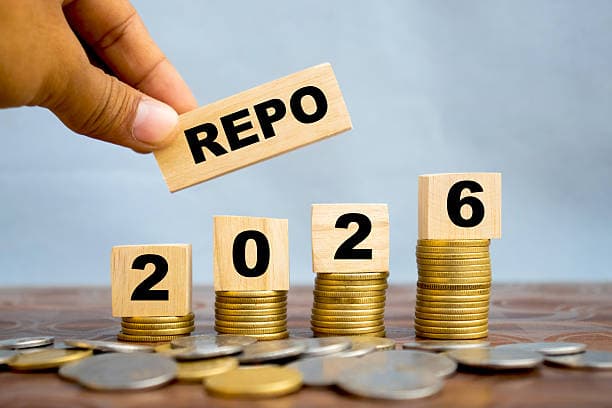
On 7 October 2026, the Reserve Bank of India (RBI) raised the repo rate by 25 basis points (0.25%) to 5.50%, up from 5.25%. This is the first increase since February 2023. If you have a loan, or plan to take one this festive season, here is what it means for your EMI in simple words.
What the RBI Decided on 7 October 2026
The repo rate is the rate at which the RBI lends to banks. It was cut by a total of 1.25 percentage points during 2025 and had stayed at 5.25% in the reviews since. With inflation rising, crude oil prices high and the rupee under pressure, the RBI has now raised it by 0.25% to 5.50%.
Will Your EMI Go Up?
It depends on the type of loan you have.
1. Floating-rate home loans: These are linked to an external benchmark such as the repo rate. When the repo rate rises, your lender can increase your interest rate, which raises your EMI or extends your tenure. This usually happens after your loan's reset date, not on the same day.
2. Fixed-rate personal loans: Most personal loans have a fixed interest rate. If you already have one, your EMI normally does not change when the repo rate moves. Check your loan agreement to be sure.
3. New loans: Lenders may revise rates for new borrowers sooner. Compare offers before you apply, because rates differ widely between lenders.
How Much Can a 0.25% Hike Add to Your EMI?
If a bank passes on the full 0.25% increase, the effect on a home loan looks like this (illustrative figures):
• ₹50 lakh loan, 10 years: at 8% the EMI is about ₹60,664, and at 8.25% it is about ₹61,326, which is roughly ₹662 more every month.
• ₹20 lakh loan, 20 years: at 8.5% the EMI is about ₹17,356, and at 8.75% it is about ₹17,674, which is roughly ₹318 more every month.
Actual changes depend on your lender, your loan's rate type and your reset date.
Example: Why Interest Rate Matters on a Personal Loan
Take a personal loan of ₹1,00,000 for 12 months. At 12% per year the EMI is about ₹8,885 and the total interest is about ₹6,619. At 15% the EMI is about ₹9,026 and interest is about ₹8,310. At 18% the EMI is about ₹9,168 and interest is about ₹10,016. A few percentage points change what you pay by thousands of rupees, so always compare the total cost, not just the EMI.
What Existing Borrowers Can Do
1. Check your loan type. Find out whether your loan is fixed or floating and when your rate resets.
2. Ask for a rate or tenure review. If your EMI will rise, ask your lender whether you can keep the EMI the same and extend the tenure, or whether a lower rate is available.
3. Prepay when possible. Even small part-payments reduce your interest burden over time.
4. Keep your CIBIL score strong. A score of 750 or above generally helps you negotiate better rates when you refinance or take a new loan.
7 Smart Tips Before Taking a Festive Season Loan
1. Borrow only what you need. A festive loan is still a loan, and the EMI starts the very next month.
2. Check your CIBIL score first. Better scores generally get better offers.
3. Compare the total cost. Look at the interest rate, processing fee and other charges together. A 'zero processing fee' offer with a higher interest rate can cost more overall.
4. Use an EMI calculator. Choose a tenure where the EMI fits comfortably within your monthly budget.
5. Read the fine print. Check foreclosure and prepayment charges, and whether the advertised rate applies to your profile.
6. Do not apply to many lenders at once. Each full application creates a hard enquiry on your credit report.
7. Prefer a loan over a credit card for large purchases. Credit card interest is usually higher than personal loan interest if you cannot pay the bill in full.
Frequently Asked Questions
What is the new repo rate after the RBI decision?
The RBI raised the repo rate by 25 basis points from 5.25% to 5.50% on 7 October 2026, the first hike since February 2023.
Will my personal loan EMI increase after the repo rate hike?
If your personal loan has a fixed interest rate, your EMI usually stays the same. Floating-rate loans, such as many home loans, can change after the lender revises its rate.
How much will my home loan EMI rise?
If your lender passes on the full 0.25% hike, a ₹50 lakh, 10-year loan at 8% could see its EMI rise by roughly ₹662 per month. Your actual change depends on your lender and loan terms.
Is it still a good time to take a loan?
If you genuinely need funds, compare offers from several lenders and borrow only what you can repay comfortably. Do not borrow just because of rate news.
How can I check my loan eligibility?
Use the SureFund eligibility and EMI tools, or speak to our team. We compare options from our partner banks and NBFCs for your profile.
The RBI's rate hike makes it more important to compare loan offers carefully. Your credit score, income and repayment plan still matter the most. Check your eligibility, compare offers and plan your EMI before you apply. SureFund can help you find the right personal loan, business loan or credit card for your needs.
This article is for general information only and is not financial advice. Interest rates, offers and eligibility vary by lender and may change, so please confirm the latest details with your lender.